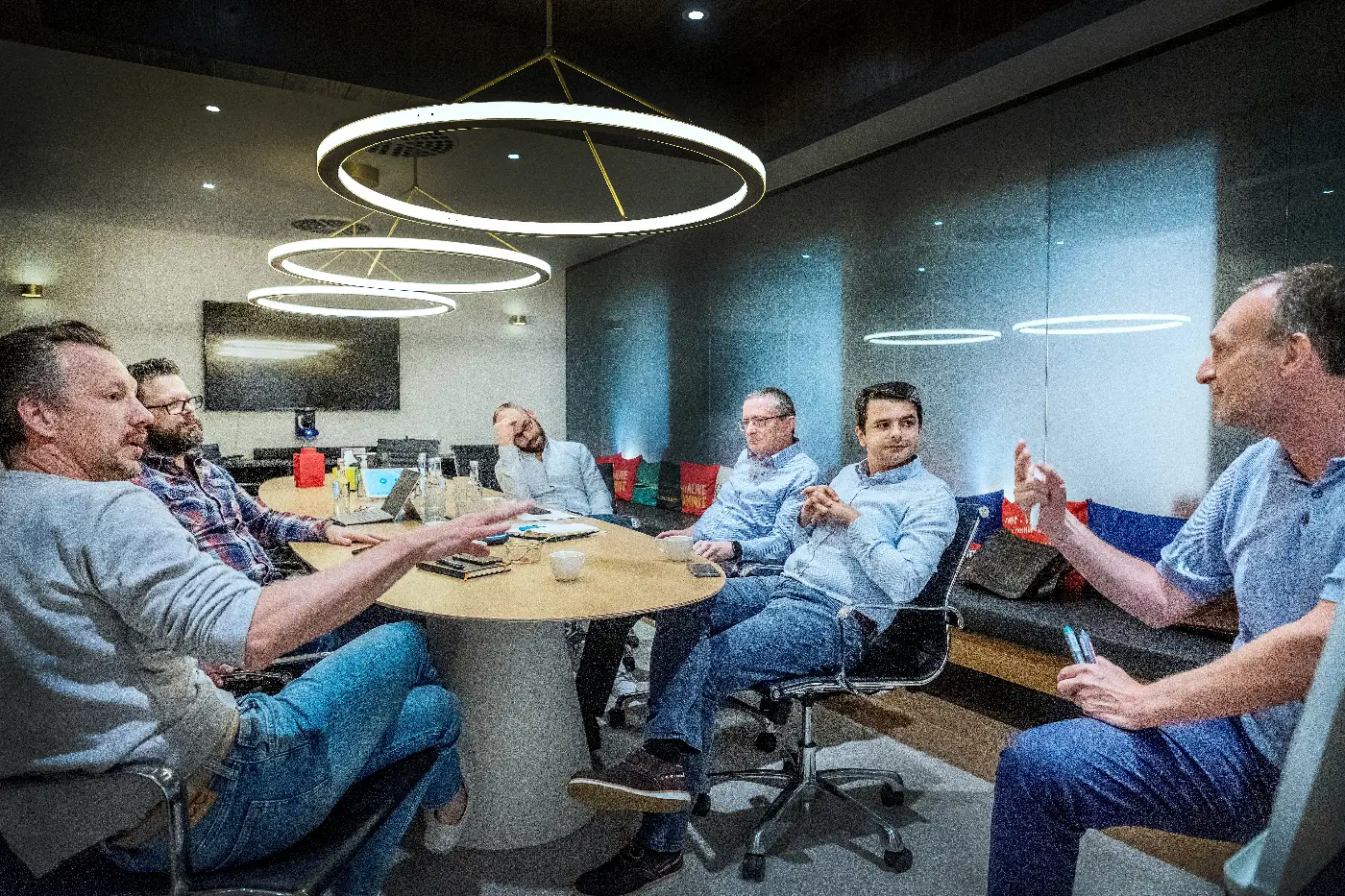
Joining or running a meeting in a second language is one of the more demanding real-time uses of business Italian. A working vocabulary for the common structural moments of a meeting makes a noticeable difference to confidence.
Opening a meeting
Meetings in Italian business settings often open with a degree of relationship-building rather than jumping straight to the agenda — brief, appropriate small talk is expected rather than skipped.
Introducing and proposing agenda items
Clear, polite framing for introducing a topic or proposing next steps is worth learning as fixed phrases, since getting the structure right matters as much as vocabulary in a meeting setting.
Asking for clarification
Being able to ask for something to be repeated or clarified, without it feeling like a language failure, is an underrated skill — there are natural, professional ways to do this that don’t undermine confidence in the room.
Handling disagreement
Directness varies by context, but softer, more indirect phrasing is generally the safer default in Italian business meetings compared to the more direct disagreement style common in UK meetings.
Closing and confirming next steps
Clearly summarising agreed actions before closing a meeting is good practice in any language, and particularly useful when working across a language barrier to confirm mutual understanding.
For structured coaching ahead of a specific meeting or negotiation, see Italian negotiation skills training or Italian business communication training.